
Key Takeaways:
- The Core Definition: eCash is a fast, low-fee cryptocurrency designed specifically to act as digital cash for everyday transactions. Its native token trades under the ticker XEC.
- Historical Context: The phrase e-cash originally referred to David Chaum’s pioneering 1980s cryptographic payment system (DigiCash). Today, the term predominantly refers to eCash crypto, a modernized blockchain project rebranded from Bitcoin Cash ABC (BCHA) in 2021.
- Key Innovation: Unlike traditional Bitcoin, eCash XEC combines Bitcoin’s core Proof-of-Work security with an Avalanche Proof-of-Stake consensus layer. This hybrid model delivers 1-second finality and ultra-low transaction fees.
- User-Friendly Units: Instead of dealing with confusing decimals (e.g., 0.00005 BTC), XEC uses a simplified two-decimal “bits” system, making payments feel as natural as spending dollars and cents.
The Unfulfilled Promise of Digital Cash
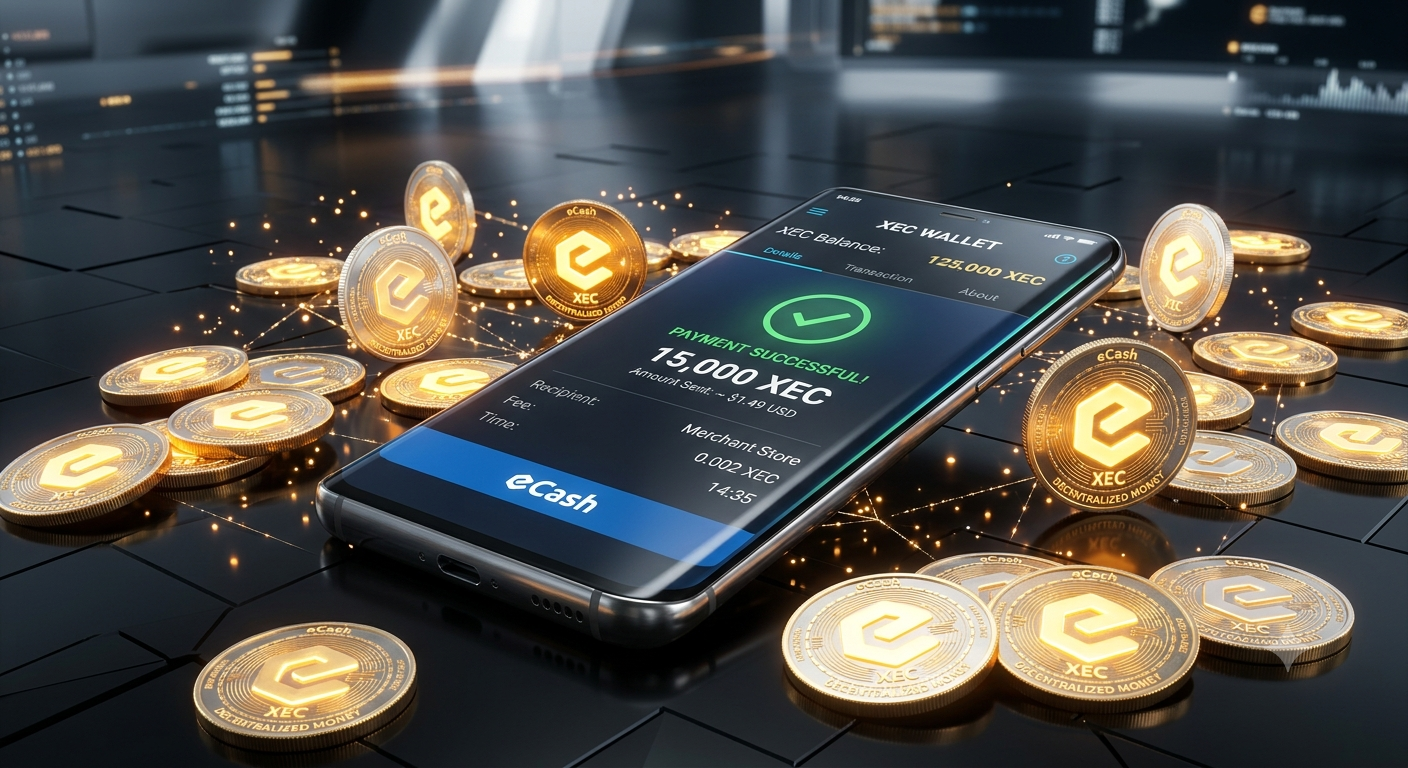
When Bitcoin emerged in 2008, Satoshi Nakamoto presented it as a “Peer-to-Peer Electronic Cash System.” The goal was simple: enable people anywhere in the world to send money instantly, privately, and without paying hefty intermediary fees to bank card processors.
However, as Bitcoin grew in popularity, it shifted from an everyday spending mechanism into a digital store of value, often dubbed “digital gold.” High transaction fees and network congestion made buying a cup of coffee with Bitcoin impractical.
This shift left a massive gap in the market. How do we create a cryptocurrency that actually functions like physical paper money in a digital world?
Enter eCash (ticker symbol XEC).
Whether you are trying to understand the broad e-cash meaning, exploring the technical underpinnings of the eCash crypto network, or looking to invest in XEC, this comprehensive guide covers everything you need to know about the future of digital transactions.
Defining the Term: What is E-Cash?
To fully grasp what is eCash, we first need to distinguish between two historical usages of the term: the classic 1980s computer science project and the modern blockchain cryptocurrency operating today.
1. The Historical Definition (DigiCash)
If you search academic literature for what is e-cash, you will often encounter references to Dr. David Chaum. In 1983, Chaum proposed a cryptographic protocol for anonymous electronic money, founding a company named DigiCash to implement it.
The early e-cash meaning focused on using cryptographic “blind signatures” to hide the identity of buyers while allowing banks to verify digital coins. Though DigiCash ultimately filed for bankruptcy in 1998 due to merchant adoption challenges and reliance on centralized banks, it laid the mathematical groundwork for Bitcoin and modern decentralized finance.
2. The Modern Definition (eCash crypto)
Today, when people ask about the project, they are almost always referring to the eCash crypto network launched in July 2021.
The practical eCash meaning in contemporary Web3 refers to a layer-1 blockchain built specifically for transactional utility. Spearheaded by lead developer Amaury Séchet, the network was created to fulfill Nakamoto’s original vision of fast, scalable, and intuitive electronic spending money.
From Bitcoin to Bitcoin Cash ABC to eCash (XEC)
The history of eCash XEC is tied directly to the history of Bitcoin itself. To understand where the token comes from, we have to look at the main forks in the Bitcoin family tree.
The 2017 Split: Bitcoin vs. Bitcoin Cash
In 2017, the Bitcoin community faced a major debate over block size limits. One group wanted to keep block sizes small (1MB) to preserve node decentralization, prioritizing BTC as a store of value. Another group wanted to increase block sizes to accommodate more transactions per second. This split led to a hard fork, creating Bitcoin Cash (BCH).
The 2020 Split: Bitcoin Cash vs. Bitcoin Cash ABC
In November 2020, the Bitcoin Cash community experienced another division over developer funding and protocol improvements. The development team led by Amaury Séchet formed a separate chain known as Bitcoin Cash ABC (BCHA).
The 2021 Rebrand to eCash
On July 1, 2021, Bitcoin Cash ABC officially rebranded to eCash and introduced the ticker symbol XEC.
This transition was far more than a marketing makeover. It introduced fundamental changes:
- Redenomination: 1 BCHA token was converted into 1,000,000 XEC tokens.
- Consensus Upgrades: Integration of the Avalanche consensus layer alongside Proof-of-Work.
- Redesigned User Experience: Shifting from 8 decimal places down to a simple 2-decimal layout (“bits”).
How Does eCash Work?
The engineering behind eCash crypto combines established Bitcoin mechanics with modern consensus design. Here is a breakdown of the core technologies that make the network operate.
| Feature | eCash (XEC) | Bitcoin (BTC) | Ethereum (ETH) |
| Primary Focus | Daily cash transactions | Digital Gold / Value Store | Smart Contracts / DApps |
| Consensus Mechanism | Hybrid (PoW + Avalanche PoS) | Pure Proof-of-Work (PoW) | Proof-of-Stake (PoS) |
| Transaction Speed | Near-instant (< 1–3 seconds) | 10 to 60+ minutes | 15 seconds to several minutes |
| Average Transaction Fee | Sub-cent ($0.0001) | $1.00 – $20.00+ (variable) | $1.00 – $50.00+ (variable) |
| Max Token Supply | 21 Trillion XEC | 21 Million BTC | Unlimited (Dynamic) |
| Base Unit Precision | 2 Decimal Places (Bits) | 8 Decimal Places (Sats) | 18 Decimal Places (Wei) |
1. Hybrid Consensus: PoW Meets Avalanche
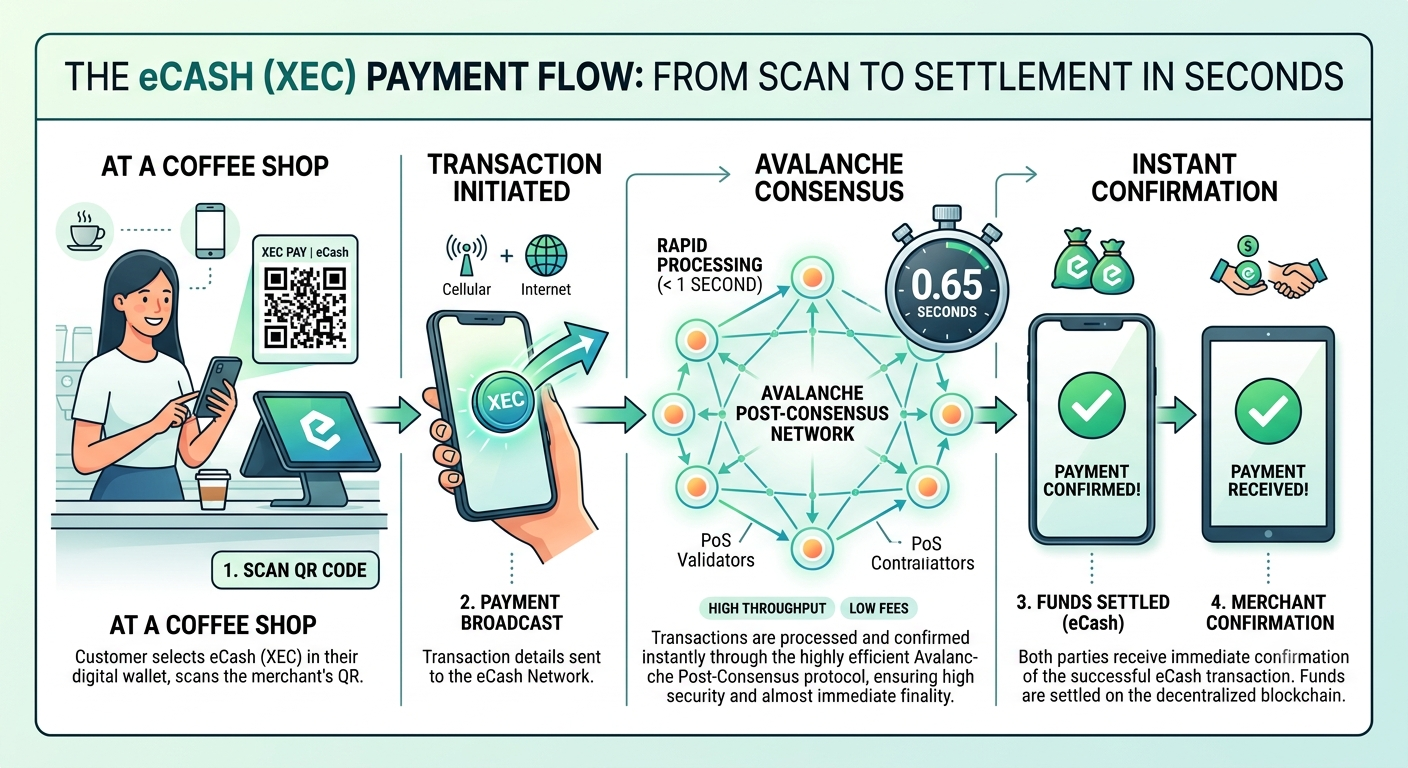
Traditional Bitcoin transactions require block confirmations that can take 10 minutes or more. For a retail merchant, waiting 10 minutes for a transaction to clear is unusable.
To fix this, eCash implements a hybrid system:
- Proof-of-Work (PoW): Provides node distribution and base-layer security, maintaining compatibility with Bitcoin’s proven architecture.
- Avalanche Consensus Layer: Acts as an overlay network running alongside PoW. It enables instant pre-consensus, allowing nodes to validate transactions in under a second. This makes double-spending practically impossible and enables instant transaction finality at checkout counters.
2. Redenomination and “Bits”
Human psychology plays a massive role in payment adoption. Asking someone to pay 0.0000284 BTC for a cup of coffee is confusing and prone to input errors.
The developers of eCash XEC resolved this by redenominating the currency. The network eliminated 8-decimal display clutter in favor of two decimals. Instead of holding fractions of a coin, users hold clean amounts in “bits”:
1 Bit = 100 XEC
When you make a payment on the network, prices look like standard fiat pricing (e.g., $4.50 becomes 450.00 bits), significantly simplifying day-to-day calculations.
3. Sub-Cent Fees and Unmatched Scalability
For a currency to function as cash, sending low-value payments, like tipping a creator $0.50 or buying a $1.50 newspaper, must be economically viable. On networks like Ethereum or Bitcoin, transaction fees can easily exceed the value of the purchase itself.
eCash handles high transaction volumes without spiking fees. By combining large block support with Avalanche data structures, the network targets throughput capacity exceeding 5 million transactions per second (TPS) in future network upgrades, while maintaining transaction costs below a fraction of a cent.
4. Custom Token Creation (eTokens)
Similar to Ethereum’s ERC-20 standard, eCash allows developers, businesses, and creators to launch custom tokens on top of its blockchain. Using the eToken protocol, users can issue sub-tokens for loyalty programs, community rewards, or stablecoins in just a few clicks.
5. Privacy Options via CashFusion
Financial privacy is a key requirement of physical cash. While traditional public blockchains broadcast every balance and transfer to the world, eCash supports CashFusion, an opt-in privacy protocol.
CashFusion mixes transactions among multiple participants, making it virtually impossible for chain analysis tools to trace token origins back to individual identities, without compromising network auditability.
Tokenomics: Understanding the XEC Token
Understanding token distribution and economic policy is essential for evaluating any digital asset.
Why 21 Trillion Tokens?
Many users wonder why the total supply of XEC is capped at 21 trillion instead of Bitcoin’s 21 million.
Mathematically, the supply is identical in relative scale. 21 million Bitcoins multiplied by 1,000,000 sub-units (bits) equals exactly 21 trillion XEC. The total cap remains hard-coded and scarce; the decimal point was simply moved to eliminate fractional math for everyday users.
Halving Schedule and Rewards
Just like Bitcoin, eCash undergoes a “halving” event roughly every four years. During a halving, the block reward paid to miners is reduced by 50%, limiting new issuance over time until the 21 trillion maximum cap is reached.
Block rewards are split to ensure both operational security and continuous protocol improvement:
- 80% goes to network miners providing computational security.
- 10% goes to Avalanche staking node operators.
- 10% goes toward the global developer fund to finance engineering, marketing, and ecosystem grants.
Real-World Use Cases: What Can You Do With eCash?
While many crypto tokens are limited to speculative trading, eCash XEC is built for real-world activity:
- Micro-Transactions & Content Tipping: Send fractions of a cent to online creators, read single paid articles, or pay-per-second for streaming media without transaction fees eating up the payment.
- Cross-Border Remittances: Transfer funds instantly across international borders without relying on expensive wire transfers or remittance agents charging 5–10% fees.
- Point-of-Sale (PoS) Retail Payments: Merchants can accept payments online or in-store using simple QR codes, receiving confirmed funds in seconds.
- Corporate Token Issuance: Businesses can create branded loyalty points or localized digital tokens on the eToken framework.
How to Buy, Store, and Transfer eCash (XEC)
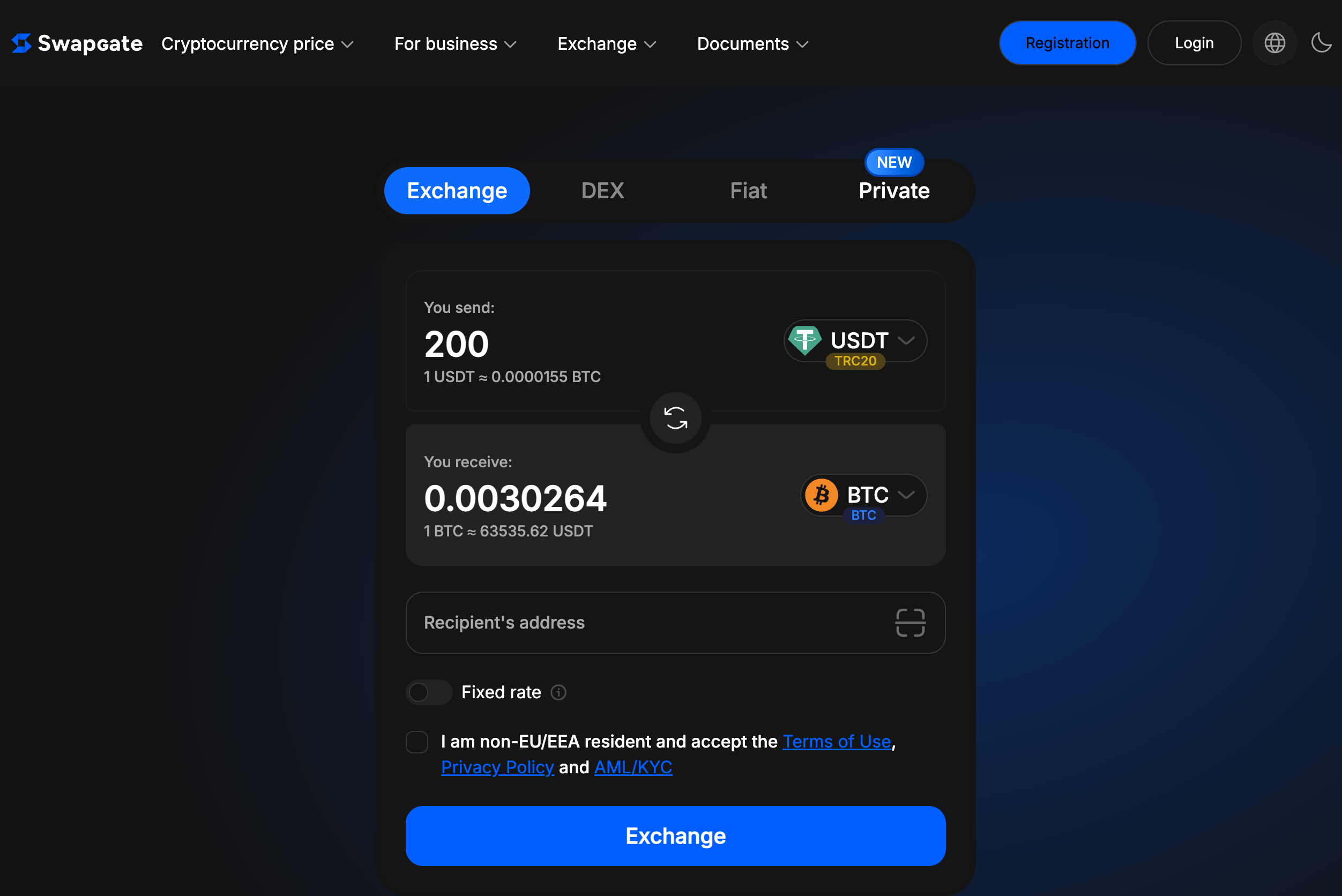
Getting started with eCash involves three basic steps: picking an exchange, choosing a secure wallet, and practicing basic security measures.
Step 1: Purchasing XEC
XEC is traded on major global cryptocurrency exchanges. Popular platforms providing liquidity for trading pairs like XEC/USDT or XEC/USDC include:
- Binance
- KuCoin
- Bybit
- Gate.io
Step 2: Selecting a Compatible Wallet
While leaving funds on an exchange is fine for short-term trading, long-term holders should transfer tokens to a non-custodial wallet where they own their private keys:
- Cashtab: The official web-based wallet developed specifically for the network, offering simple management of XEC and custom eTokens.
- Electrum EC: A feature-rich desktop wallet ideal for power users needing advanced transaction management and privacy configuration.
- Hardware Wallets: For maximum security, cold storage hardware wallets (such as Ledger devices) support asset isolation from internet threats.
Pros and Cons of eCash
Every blockchain architecture involves trade-offs. Here is an honest, balanced breakdown of the advantages and potential challenges associated with the platform.
Key Advantages
- Sub-Second Finality: Avalanche integration resolves the slowness typically associated with Proof-of-Work chains.
- Predictable Low Cost: Micro-fees allow for innovative business models like pay-per-use APIs and instant micro-tipping.
- Intuitively Designed: Eliminating complex decimal values makes the currency user-friendly for non-technical users.
- Active Development Roadmap: Led by experienced infrastructure developers with a structured funding model built directly into block rewards.
Potential Challenges
- Intense Competition: The digital payments space is crowded, competing against networks like Litecoin, Dash, Solana, and Layer-2 Bitcoin solutions (Lightning Network), as well as centralized fiat platforms like Visa or Pix.
- Brand Awareness: Rebranding from Bitcoin Cash ABC to eCash required re-educating the market and rebuilding brand equity from scratch.
- Regulatory Landscape: As global regulatory frameworks tighten around private digital assets and privacy-mixing tools like CashFusion, compliance requirements for exchanges may evolve.
The Road Ahead: The Technical Roadmap
The development team behind eCash crypto follows a deliberate engineering roadmap focused on technical reliability and massive scale. Key milestone objectives include:
- EVM Compatibility Layer: Integrating Ethereum Virtual Machine support to allow developers to port existing smart contracts and decentralized applications (DApps) directly onto the network.
- Sub-second Finality Refinements: Continuous optimizations to Avalanche pre-consensus algorithms to ensure 99.999% of payments clear instantly under heavy network loads.
- Adaptive Block Size Limits: Dynamically expanding block sizes as global usage grows, ensuring network performance remains stable during unexpected spikes in traffic.
Conclusion: Reimagining How Money Moves
Money has evolved continuously throughout human history: from physical commodities and minted coins to paper banknotes and electronic bank ledgers. However, today’s digital money systems remain constrained by high fees, legacy rails, and international transfer friction.
eCash offers a modern alternative. By building directly on the cryptographic security of Bitcoin while adopting modern consensus technology via Avalanche, the project offers a fast, low-cost, and user-friendly payment system built for global scale.
Frequently Asked Questions (FAQ)
What is the exact difference between Bitcoin (BTC), Bitcoin Cash (BCH), and eCash (XEC)?
Bitcoin (BTC) is primary optimized as a store of digital value with deliberate block limits. Bitcoin Cash (BCH) split from Bitcoin in 2017 to increase block sizes for cheaper payments. eCash XEC split from Bitcoin Cash in 2020, implementing a hybrid PoW/PoS (Avalanche) consensus layer for instant transaction speeds, sub-cent fees, and simplified two-decimal tokenomics.
What does the ticker XEC stand for?
XEC is the official exchange ticker symbol for the currency. The “X” follows international standards for non-national currencies (similar to XAU for gold or XAG for silver), while “EC” stands for eCash.
How does eCash achieve instant transactions when Bitcoin takes 10 minutes?
It uses an overlay consensus layer powered by the Avalanche protocol. While standard block generation still occurs on a Proof-of-Work schedule, Avalanche nodes reach sub-second consensus on transaction ordering. This locks in transactions instantly, preventing double-spends before the block is officially mined.
Can I stake XEC tokens to earn rewards?
Yes. With the integration of the Avalanche consensus layer, holders can run or delegate to staking nodes. Staking helps secure transaction finality on the network, and node operators earn a portion of the 10% block reward allocation.
Disclaimer: The material in this article is not financial or investment advice. Everything stated here reflects the author's personal view and should not be treated as a recommendation to trade or invest. We make no warranties regarding the accuracy, reliability or completeness of the information presented. Cryptocurrency markets are highly volatile and can move unpredictably. Before committing any funds, every investor, trader or crypto user should study several independent sources and check the regulations that apply in their own jurisdiction.