
Solana = single global state with a speed-first design (Proof of History + Tower BFT, Sealevel parallel runtime). Sub-second slots (~400–600 ms), high throughput, and a rapidly maturing reliability story (multi-client era with Frankendancer/Firedancer).
NEAR = sharded L1 purpose-built for usability and scale (Nightshade sharding + Doomslug finality). Human-readable accounts, Rust/JavaScript smart contracts, and mainnet finality now advertised around ~1.2 seconds with 600 ms blocks.
If you want one big, ultra-fast state (DeFi, HFT-style orderbooks, social feeds), Solana shines. If you want horizontal scale with friendly UX and flexible accounts/keys, NEAR is compelling. Both are serious L1s; your choice is about fit, not hype.
What is NEAR Protocol?
NEAR Protocol is a proof-of-stake blockchain that scales with Nightshade sharding—splitting state and computation across “shards” so the network can process more in parallel. NEAR achieves fast “practical finality” using Doomslug, a mechanism layered over consensus to confirm blocks quickly under honest-majority assumptions. Developers write contracts in Rust or JavaScript, compiled to WebAssembly, and users get human-readable accounts with access keys for granular permissions.
- Recent upgrades (Nightshade 2.0) add stateless validation and scaling improvements that pave the way for more shards and higher throughput. NEAR’s own posts also tout 600 ms blocks and about 1.2 s finality on mainnet today.
What is Solana?
Solana is a high-throughput L1 that couples Proof of Stake with Proof of History (PoH)—a verifiable time source that helps order transactions efficiently. Its Sealevel runtime executes many transactions in parallel when they touch disjoint accounts, which is key to Solana’s speed. Time is divided into slots; a leader produces blocks, with slots typically around ~400 ms (sometimes ~600 ms). Consensus safety/finality is provided by Tower BFT, a PBFT-style algorithm optimized for PoH.
- Reliability has become a core focus. The Solana Status page shows recent 100% uptime windows, and the ecosystem is pushing toward multi-client diversity with Frankendancer/Firedancer to improve resilience and performance.
Architecture & Performance Compared
NEAR: Scale out with sharding, finalize fast
Nightshade shards the chain: validators handle portions of state/transactions, enabling horizontal scale as demand grows. Doomslug provides fast “practical finality” with a single communication round; new releases emphasize stateless validation and dynamic (re)sharding. NEAR’s own engineering updates cite ~600 ms blocks and ~1.2 s finality today.
Solana: Scale up with a single state, parallelism, and a global clock
Proof of History acts like a cryptographic clock, cutting consensus overhead. Sealevel runs many programs at once when account reads/writes don’t collide. Slots are configured at ~400 ms (up to ~600 ms); many apps treat a handful of slots as “good enough” confirmation, while formal finality involves deeper Tower-BFT lockouts (often quoted ~12–15 s for strong finality).
Developer Experience & UX
- Languages & tooling
- NEAR: Rust or JavaScript smart contracts compiled to WASM; a modern SDK and human-readable accounts with per-function access keys (great for onboarding).
- Solana: Rust (and growing Move/C-based paths via tooling), deep docs, and a robust indexer/RPC ecosystem; programs are stateless and operate over accounts, which maps cleanly to Sealevel’s parallelism model.
- User ergonomics
- NEAR’s account model and access-key permissions reduce everyday friction.
- Solana benefits users via ultra-low latency and high throughput for consumer-grade apps (feeds, games, orderbooks).
Reliability, Outages & Client Diversity
- Solana experienced multiple high-profile incidents in earlier years, but recent windows show 100% uptime, and client diversity work (Frankendancer now; Firedancer full client targeted after 2025 testing) aims to harden the stack and remove single-client risks.
- NEAR has emphasized predictable finality and sharded scaling; recent Nightshade 2.0 and validator role refinements focus on sustainable performance under load.
Fees & Finality
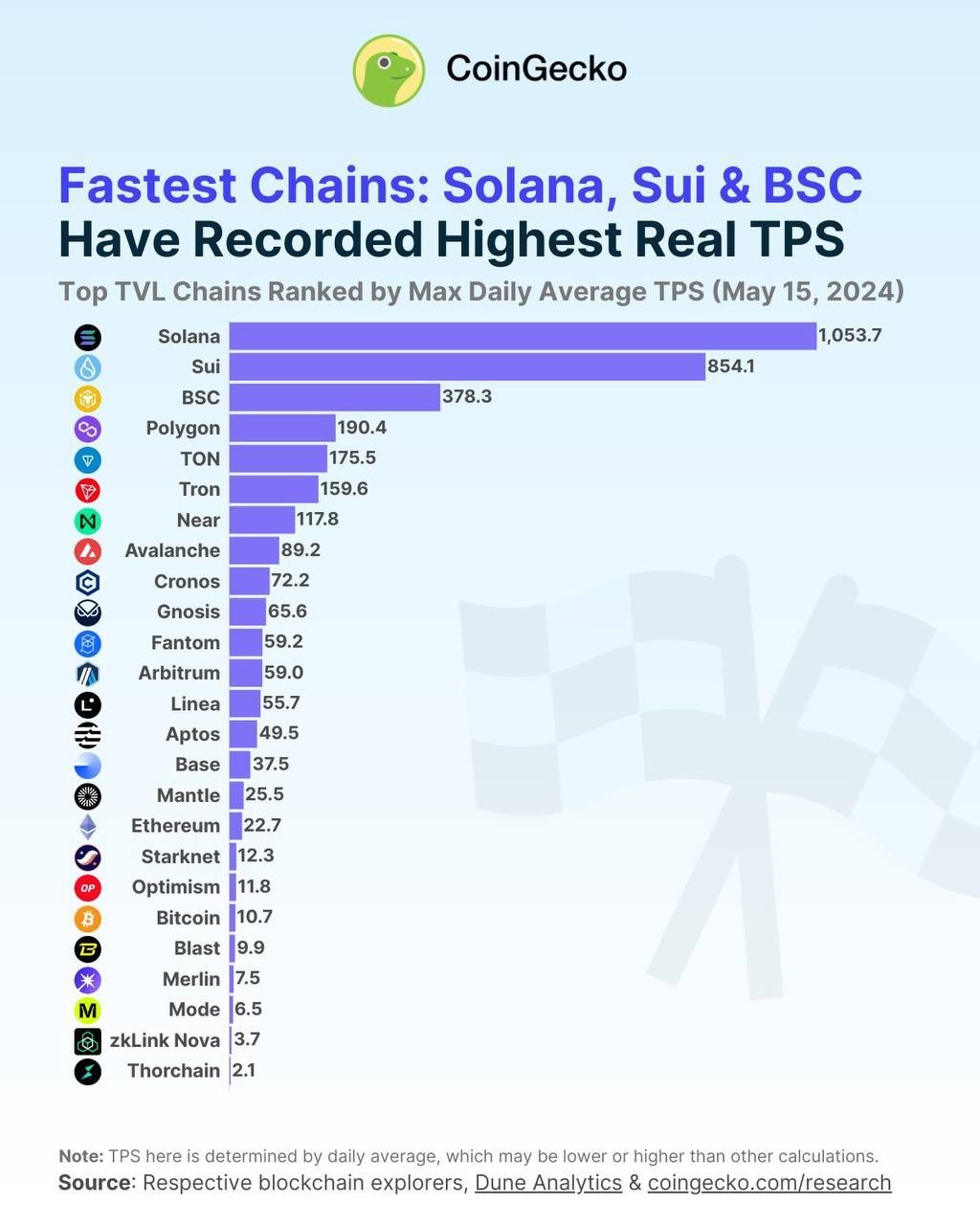
Source: Coingecko
- Solana: sub-penny fees are common; slots are ~400–600 ms, with confirmation usually in a few slots and deeper finality on the order of ~12–15 s by Tower-BFT standards (dApp requirements vary).
- NEAR: low fees plus ~600 ms blocks and ~1.2 s practical finality give a very “done-and-dusted” feel for normal payments and consumer UX.
Interoperability & Ecosystem
- NEAR: bridges, EVM options, and oracles (e.g., Pyth on NEAR) make it straightforward to mix Web3 primitives with a familiar developer stack.
- Solana: massive activity across DeFi, payments, NFTs, and consumer apps, with ecosystem-standard tooling for parallelized execution and indexing. (Sealevel/PoH is the draw.)
NEAR vs Solana — Side-by-Side (2026)
| Feature | NEAR Protocol | Solana |
| Consensus / Core | PoS with Nightshade sharding + Doomslug finality | PoS with Proof of History clock + Tower BFT |
| Execution model | WASM contracts (Rust/JavaScript), sharded state | Sealevel parallel runtime over a single global state |
| Accounts / UX | Human-readable accounts; granular access keys | Account model for programs/data; high-throughput UX |
| Time/blocks | ~600 ms blocks; ~1.2 s practical finality (current claim) | ~400–600 ms slots; strong finality ~12–15 s(typical guidance) |
| Scaling path | Horizontal via sharding (Nightshade 2.0, stateless validation) | Vertical + parallelization; multi-client(Frankendancer/Firedancer) |
| Typical fees | Low | Very low (sub-penny typical) |
| Dev languages | Rust, JavaScript → WASM | Rust (ecosystem tooling), others emerging |
| Reliability focus | Stateless validation, sharded resiliency | Uptime gains + client diversity toward Firedancer |
| Good fit for | Consumer apps needing friendly UX & account model; multi-tenant apps | Real-time DeFi, payments, social, games needing one fast global state |
Costs, Tokens & Price Talk
Both NEAR and SOL secure their networks via staking and are used for fees and on-chain incentives. The NEAR price and Solana price move with broader crypto cycles, on-chain activity, emissions/burn dynamics, and macro liquidity. It’s best to compare utility and execution fit first—prices follow adoption.
Builder Playbooks: When to Pick Which
Choose NEAR if you want…
- Human-centric UX (readable accounts, access keys) that eases onboarding for mainstream users.
- Horizontal scale and a roadmap that keeps adding shards/validator refinements (Nightshade 2.0, stateless validation).
- JS or Rust contracts compiled to WASM, with a gentle learning curve for web developers.
Choose Solana if you want…
- A single, blazing-fast global state for orderbooks, real-time feeds, or payments, benefiting from Sealevel parallelism.
- Mature indexing/RPC infrastructure and an ecosystem built around high-throughput consumer apps.
- A network doubling down on reliability (100% recent uptime windows) with multi-client progress to reduce correlated failures.
Common Questions
Is Solana “faster” than NEAR?
Speed depends on what you measure. Solana’s slot time is ~400–600 ms and it achieves huge throughput via Sealevel; many apps accept confirmation after a few slots but strong finality typically takes longer (≈12–15 s). NEAR currently advertises ~1.2 s practical finality with ~600 ms blocks thanks to Doomslug. Different designs, different strengths.
Which is cheaper?
Both are inexpensive for end users; Solana is famous for sub-penny fees, while NEAR fees also remain low thanks to sharding and WASM execution. Your workload pattern (reads/writes, storage) matters more than chain slogans.
Which is more reliable?
Solana’s earlier outages are well-documented, but uptime has improved and the ecosystem is pursuing client diversity(Frankendancer now, Firedancer targeted after testing). NEAR’s roadmap focuses on stateless validation and scaling shards safely. Reliability comes down to operational maturity—both stacks are trending the right way.
I’m an exchange or fintech. Which one is easier to integrate?
Solana’s parallel account model and massive throughput suit payments and exchange-like flows. NEAR’s accounts/keys and JavaScript options make consumer onboarding and web-native experiences smooth. Try small pilots on both; your data access pattern will likely decide it.
A note on swapping & onboarding
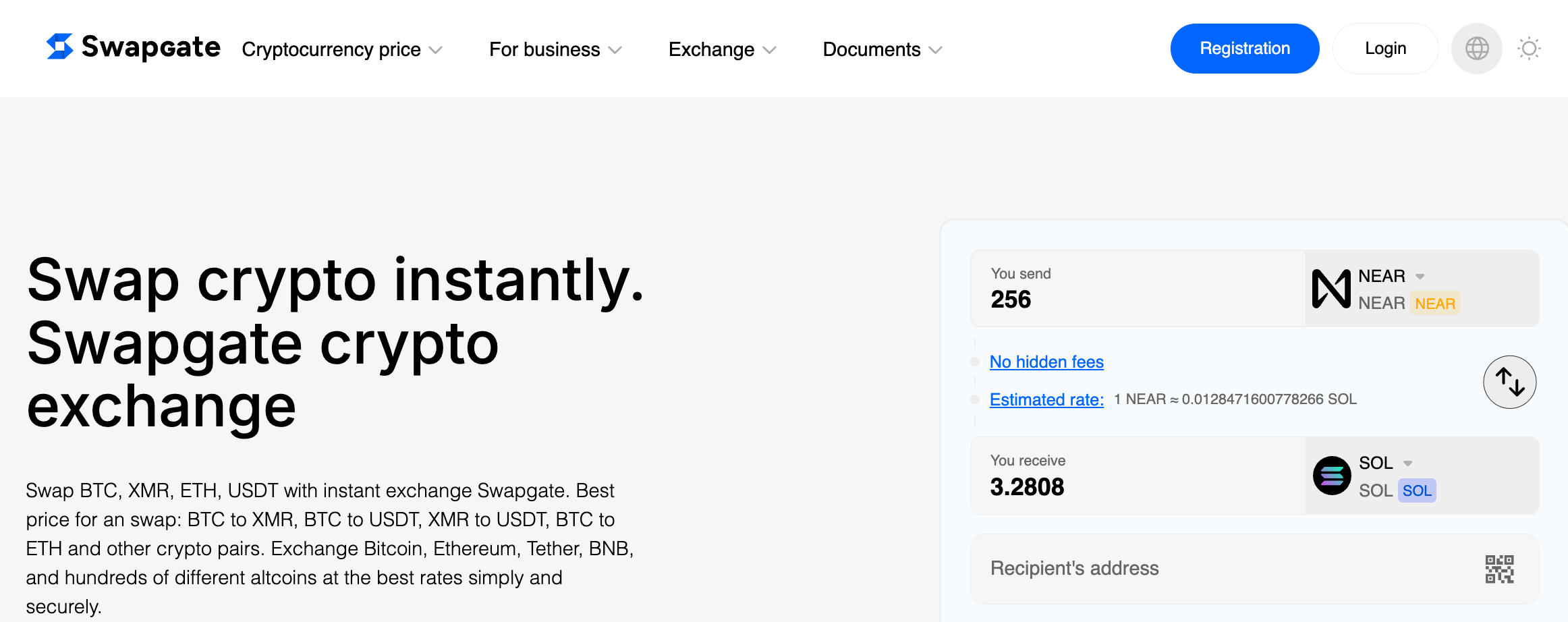
If you’re simply comparing ecosystems as a user, you’ll find liquid pairs for NEAR and SOL on most centralized exchanges like Swapgate, or DEXs. Typical retail paths include exchanging crypto to stablecoins, SOL to USDT, or purchasing NEAR or SOL directly with cards/bank rails depending on your region. Always double-check networks and addresses.
Verdict: Pick by workload, not by flame-war
- You prioritize one fast, shared state for real-time apps → Solana fits like a glove.
- You want scaling out, human-friendly accounts, and JS/Rust contracts with quick practical finality → NEAR is a great match.
Both L1s are credible 2026 choices. The smartest teams prototype on both, measure real transaction paths, then commit. That’s the only NEAR vs Solana comparison that truly matters.