
If you are asking what wallets support XRP, the short answer is this: for mobile utility, Xaman is the best; for long-term security, Ledger or OneKey are the top choices. That simple answer covers most users, but it leaves out the part that matters in 2026: XRP storage is no longer only about holding coins. Your wallet now affects how you use the XRP Ledger’s native AMM, how you manage trust lines, whether you can explore the XRP EVM sidechain, and how safely you handle ledger reserves.
That is why finding the best XRP wallet is more nuanced than picking the first app that says it supports XRP. Some wallets are ideal for active XRPL users who swap, sign, and manage tokens. Others are clearly better as a best XRP cold wallet, a cold wallet for XRP, or the best cold storage wallet for XRP if your main goal is to buy, store, and forget about it for a few years.
The XRP Ledger in 2026
From Payments to DeFi: The Evolution of the XRPL Ecosystem
A few years ago, most people treated an XRP wallet as a simple place to hold XRP for payments or speculation. In 2026, that view feels outdated. XRPL has grown into an XRP ecosystem where users care about the native decentralized exchange, AMM liquidity, tokenized assets, sidechain experiments, and app-level utility. So the best wallet for XRP today is not only secure. It also has to understand how XRPL actually works.
This is why old “top wallet” lists often miss the point. They compare logos, not functionality. A serious best crypto wallet for XRP guide should explain how trust lines work, why reserves matter, and which wallets are best for actual XRPL-native activity.
Understanding the 10 XRP Reserve Requirement
The key idea is simple: your XRPL account needs a minimum balance to exist on-ledger, and each extra object you create can lock a bit more XRP as reserve. That means your “available” XRP and your “total” XRP are not always the same thing. This matters a lot when you use advanced wallets like Xaman, because the wallet shows you how trust lines, DEX orders, AMM positions, and account objects affect your spendable balance.
So even though people still search for the “10 XRP reserve requirement,” the smarter 2026 explanation is this: the reserve is mandatory because it prevents ledger spam and forces every account to maintain a minimum cost for on-chain state.
The Rise of Sidechains: Does Your Wallet Support the XRP EVM?
Another 2026 question is whether your wallet supports the XRP EVM sidechain or at least fits into that broader ecosystem. This matters because more XRP users now want Ethereum-style app access without leaving the XRP universe entirely.
Not every best Ripple wallet is ready for that. XRPL-native wallets are excellent for native XRP Ledger functions, but EVM-style interactions may still require bridge workflows or separate EVM-compatible wallets depending on the app. So when you compare best Ripple wallets, you should ask two different questions: “Does this wallet handle XRPL beautifully?” and “Does it fit my future sidechain or dApp use case?”
Top Hardware Wallets: Maximum Security
Ledger Nano X & Stax: The Industry Standard for Cold Storage
If your goal is long-term safety, Ledger remains one of the strongest answers to best XRP cold wallet, best cold wallet for XRP, and best cold storage wallet for XRP. Ledger devices keep keys offline, integrate with Ledger Live, and are still the default recommendation for users who want institutional-style cold storage without getting overly technical.
Ledger is not the most XRPL-native experience for trust lines or AMM activity. That is not its job. Its role is storage first. If you mostly buy XRP, move it off exchanges, and want a proven hardware workflow, Ledger is still one of the safest choices.
OneKey Pro: The Best Open-Source Alternative for Institutional Security
OneKey has become one of the most compelling alternatives for users who want hardware security with a stronger open-source philosophy. That matters because a growing share of XRP holders no longer want closed ecosystems if they can avoid them.
For users comparing Ripple wallets with a security-first mindset, OneKey stands out as a serious competitor to Ledger. It is especially attractive if transparency matters to you and you want a modern hardware device that feels polished without sacrificing cold-storage discipline.
Trezor Safe 3: Reliable Cold Storage with Advanced Privacy Features
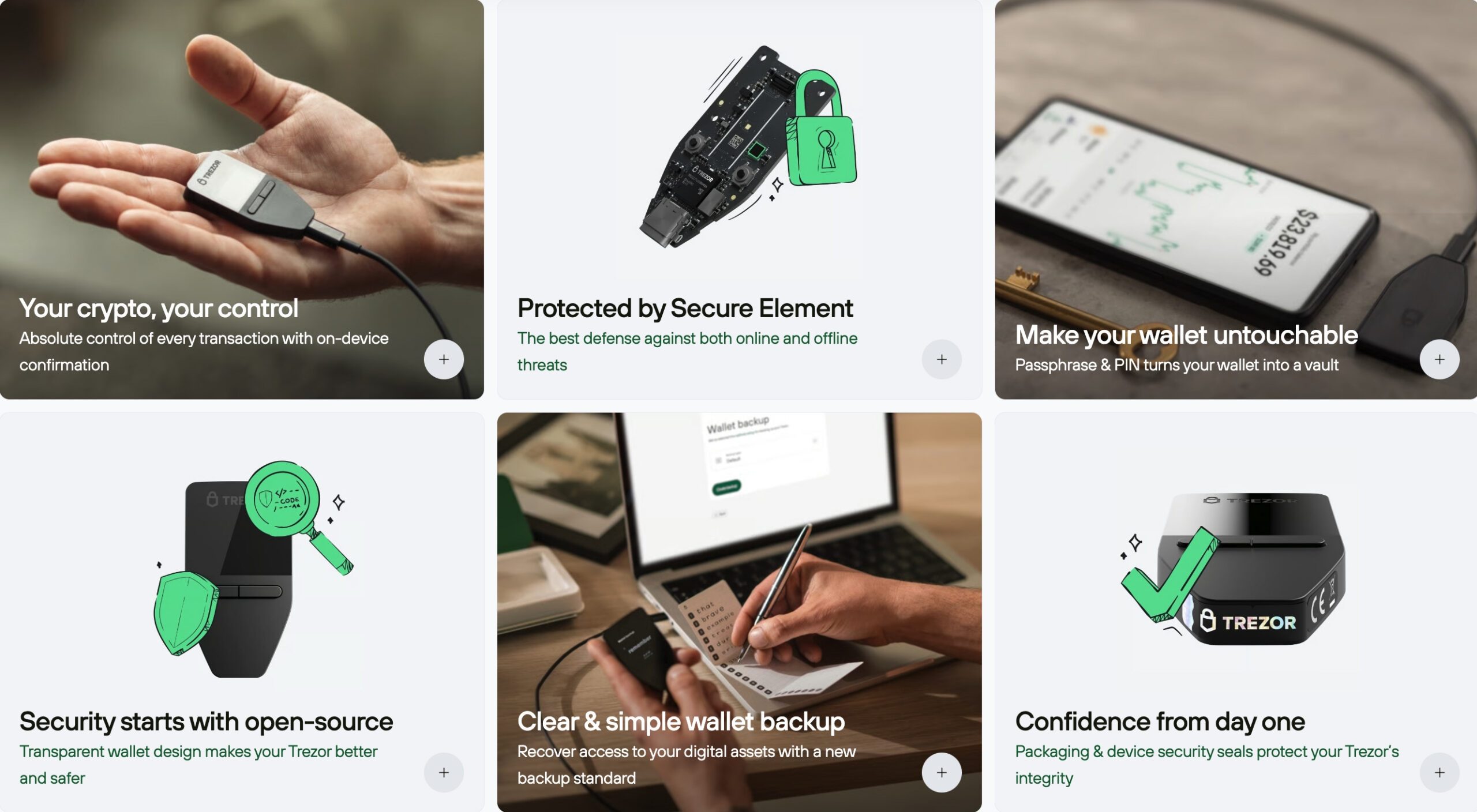
Source: Trezor
Trezor’s reputation still rests on reliability and transparent hardware-wallet culture. The Safe 3 is a solid option for XRP holders who care about self-custody, passphrase protection, and privacy-oriented operational habits.
That said, Trezor is usually not the first answer to best wallet for XRP if you plan to live inside XRPL every day. It is better framed as a dependable cold wallet for XRP for long-term holdings rather than the most feature-rich XRPL power-user wallet.
Best Mobile & Software XRP Wallets: Convenience & Power
Xaman (formerly Xumm): The Non-Custodial King of the XRPL
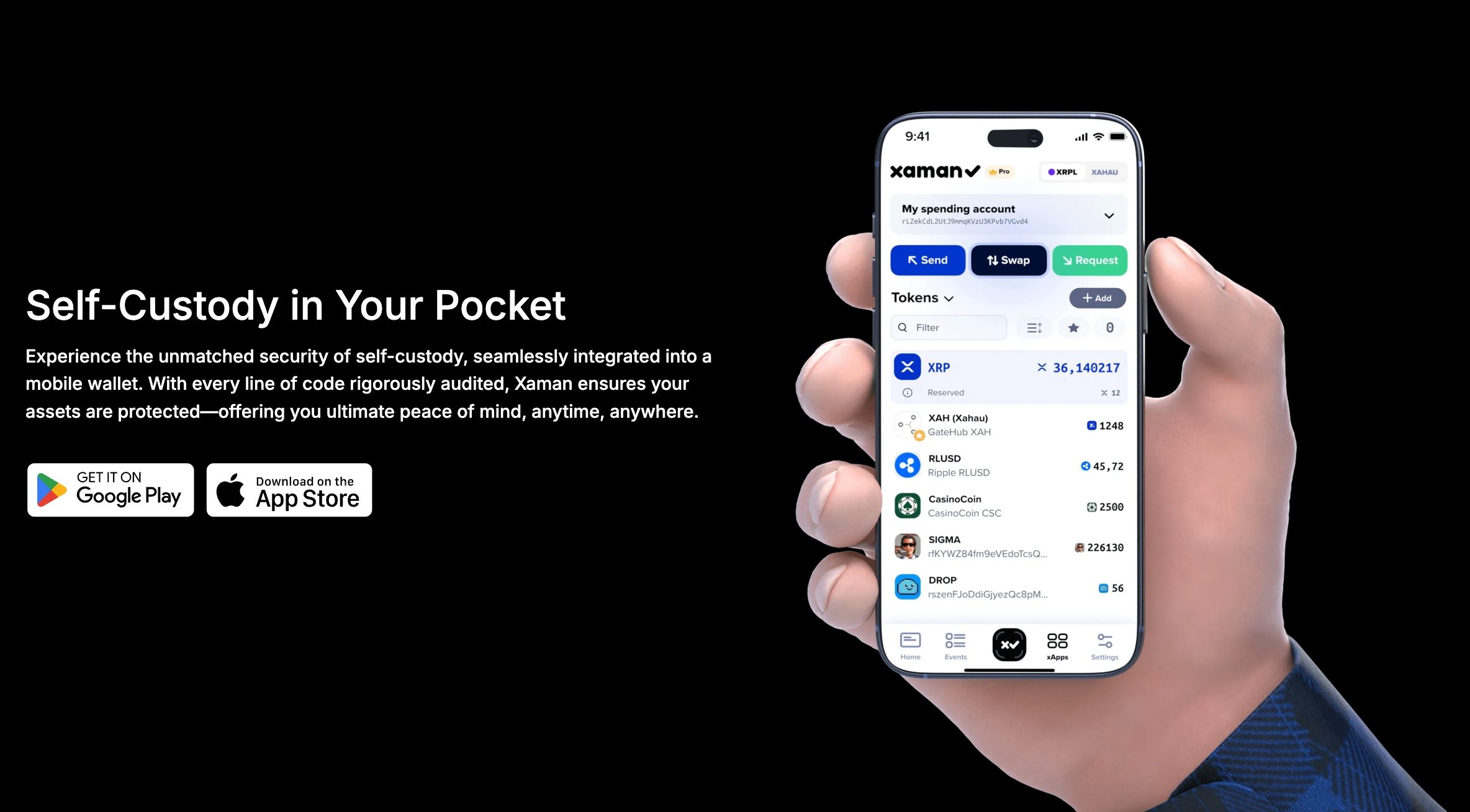
Source: Xaman
If you want the most XRPL-native experience, Xaman is the clear leader. For many users, it is the best XRP wallet, the best Ripple wallet, and the best crypto wallet for XRP all at once.
The reason is not branding. It is architecture. Xaman was built for XRPL-native behavior, which means it handles signing requests, trust lines, issued tokens, AMM interactions, xApps, and account-state visibility in a way generic wallets usually do not.
This is where Xaman separates itself from almost every competitor:
- First, it understands trust lines. On XRPL, many tokens are not “just received” the way users expect on other chains. You often need to create a trust line first. That trust line tells the network your account is willing to hold a particular issued asset. Without that, the token simply cannot be received properly.
- Second, it shows reserve logic more clearly. When you add trust lines, place orders, or open certain ledger objects, part of your XRP balance becomes locked as reserve. New users often think their XRP is missing. It is not missing. It is reserved by the ledger. Xaman makes that easier to understand.
- Third, it is the best wallet for AMM-era XRPL usage. The native AMM is not just a trading toy. It changes what an XRP wallet needs to do. A strong wallet should help you view balances properly, manage associated trust lines, sign AMM transactions cleanly, and understand that providing liquidity is not the same as simply holding XRP.
If you want one wallet that feels like it was actually designed for XRPL instead of merely adding XRP support later, Xaman is still the best answer.
Trust Wallet: The Best Multi-Chain Option for XRP Diversification
Trust Wallet is a good choice if you do not live only inside XRPL. It is convenient, familiar, and helpful for users who want one app for multiple chains.
The tradeoff is depth. Trust Wallet supports XRP, but it does not feel as XRPL-native as Xaman. If you want the best wallet for XRP in a broad multi-chain sense, Trust Wallet is fine. If you want the best Ripple wallet for trust lines, XRPL-native DeFi behavior, and advanced ledger actions, Xaman is better.
Tangem: The “Card-Style” Hardware Hybrid for Mobile Users
Tangem is interesting because it sits between classic hardware security and app-style convenience. For users who want something easier than a traditional device but safer than a pure hot wallet, Tangem is appealing.
It is not the deepest XRPL wallet on the market, but it is one of the easiest ways to get a hardware-like setup without adopting a more complicated cold-storage routine. That makes it a strong option for everyday users who want a secure XRP wallet without becoming a hardware-wallet hobbyist.
Top 7 XRP Wallets Compared
| Wallet | Type | AMM Support | Open Source | Integrated Fiat On-ramp |
| Xaman | Software | Yes | No | Yes |
| Ledger Nano X / Stax | Hardware | No | No | Yes |
| OneKey Pro | Hardware | No | Yes | Yes |
| Trezor Safe 3 | Hardware | No | Yes | Yes |
| Trust Wallet | Software | No | Yes | Yes |
| Tangem | Hardware hybrid | No | No | Yes |
| GemWallet | Software / browser extension | Yes | Yes | No |
For most users, that table tells the whole story. If you want the best XRP wallet for daily XRPL utility, choose Xaman. If you want the best XRP cold wallet, choose Ledger or OneKey.
Best XRP Wallets for DeFi and Passive Income
Interacting with the Native AMM: Swapping and Providing Liquidity
In 2026, XRPL DeFi is one of the biggest reasons wallet choice matters. The best wallets for native XRPL DeFi are the ones that understand AMM flows, not just token balances.
For that reason, Xaman and XRPL-native options like GemWallet are far better for active users than generic wallets. If you want to swap, provide liquidity, or track what is actually happening with ledger objects, you need a wallet built around XRPL logic.
Managing Trust Lines: How to Safely Receive Airdrops and Tokens
Trust lines are one of the most misunderstood parts of XRPL. They are powerful, but they also create risk if you approve random assets carelessly. The right wallet should make it obvious what token you are trusting, who issued it, and how that affects reserve.
This is another reason Xaman stands above many best Ripple wallets lists. It treats trust lines as a core function, not a side note. That makes it better for users who want to explore XRPL safely instead of blindly clicking “accept.”
Governance and Voting: Using Your Wallet to Shape the Ledger’s Future
XRPL is not a staking chain in the usual sense, but wallets can still matter in governance-like actions. AMM-related actions, sidechain participation, and future dApp ecosystems all depend on wallets that can sign specialized transactions correctly.
For normal users, this means one thing: the more XRPL evolves beyond simple payments, the more valuable a purpose-built wallet becomes.
How to Choose the Right XRP Wallet for Your Needs
Security vs. Accessibility: Assessing Your Risk Tolerance
If you hold a large amount of XRP and rarely move it, a hardware-first setup is smarter. That is where Ledger, OneKey, and Trezor win. If you actively use XRPL, Xaman is better.
The truth is that the best XRP wallet depends on behavior. The best XRP cold wallet is not always the best wallet for XRP day to day.
User Interface (UX): Why Beginners Should Start with Xaman
Beginners often do better with Xaman because it actually teaches them how XRPL behaves. A generic wallet may let you store XRP, but it does not explain reserve logic, trust lines, or XRPL-native signing nearly as well.
Developer Support: Which Wallets Integrate Best with New DApps?
For XRPL-native apps, Xaman and GemWallet are usually the strongest choices. For pure cold storage, hardware wallets still win. For EVM-sidechain exploration, users may still need a more hybrid setup depending on the app they want to use.
Setting Up Your First XRP Wallet: A Step-by-Step Guide
Downloading and Verifying Official Software
Always download from the official site or verified app store listing. This sounds obvious, but fake wallet apps still trap new users. Start there before you worry about features.
Activating Your Account: The First 10 XRP Deposit
Again, the older search phrase here is “first 10 XRP deposit,” but what really matters is funding your account with enough XRP to meet the current XRPL reserve requirement and leave some spendable balance on top. Do not fund it with the exact minimum and assume you are ready for trust lines or swaps.
Testing Your Backup: Ensuring Your Recovery Path Works
Your wallet is only as safe as your recovery process. Write down the recovery material, store it offline, and test that your backup path works before you commit serious funds. This is especially important for best cold wallet for XRPand best cold storage wallet for XRP setups, where backup discipline matters more than convenience.
The Verdict on the Best XRP Wallet for 2026
- If you want the most practical answer to what wallets support XRP and which one is best for real XRPL activity, Xaman is the winner. It is the most complete day-to-day XRP wallet for trust lines, signing, native ledger interactions, and AMM-era utility.
- For deep storage, Ledger and OneKey are the best choices. Ledger is still the mainstream benchmark. OneKey is the strongest open-source alternative. If your priority is long-term self-custody, those are the names to focus on.
FAQ: Critical Questions About XRP Storage
What wallets support XRP?
For mobile utility, Xaman is the best; for long-term security, Ledger or OneKey are the top choices.
Can I store XRP on a Bitcoin wallet?
Usually no. XRP uses a completely different ledger architecture, address format, and wallet logic. A Bitcoin-only wallet is not a safe place for XRP unless it explicitly lists XRP support.
What happens to my 10 XRP reserve if I delete my wallet?
The idea is not really “deleting a wallet” in the app sense. The important issue is your on-ledger account reserve. On modern XRPL, reserve recovery depends on account-state rules and available deletion mechanics. The bigger takeaway is that reserve is tied to ledger state, not just the app on your phone. Remove trust lines and unused ledger objects before assuming you can fully reclaim everything.
Is it safe to keep my XRP on an exchange like Binance or Kraken?
It is convenient, but it is not the safest long-term approach. Exchanges are fine for active trading. For serious self-custody, move funds into a personal XRP wallet. That is why users still compare best Ripple wallets, best wallet for XRP, and best cold wallet for XRP in the first place.
Does Xaman support the new XRP EVM sidechain?
Xaman is still primarily the best wallet for native XRPL use. For the XRP EVM sidechain, support is more nuanced and can depend on the app, bridge flow, and current ecosystem integrations. In plain terms: Xaman is excellent for XRPL; for full EVM-style interaction, you may still need an EVM-compatible wallet depending on what you want to do.